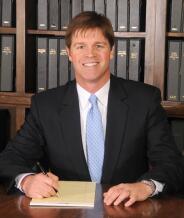
Hosts Cecil Harvell and Wes Collins discussed the difference between being “inside looking out” (representing the estate) and “outside looking in” (beneficiaries challenging estate matters), noting the significant impact that status has on litigation costs and standing.They explained that estates can use estate funds to defend claims unless a will caveat is filed, which freezes estate assets and can allow recovery of attorney fees if the challenge has merit.Challenging a will faces a presumption of validity and capacity, so successful caveats require substantive evidence such as timing of the will, medical records, witnesses, and indications of undue influence.Beneficiaries often lack standing to bring certain claims directly (e.g., to set aside beneficiary designations or deeds) unless they first demand that the executor take action and the executor fails to act.The speakers emphasized choosing experienced estate litigators, that many estate disputes are fact-specific, and that not all estate challenges go to jury trial though a caveat proceeding allows for a jury.
-
Hosts introduce Cecil Harvell and Wes Collins of Harvell & Collins and provide contact information (phone and website). [00:00][00:30][00:38][00:48]
Overview: “Outside Looking In” vs “Inside Looking Out” in Estate Matters
-
Presenters define the central theme: the distinction between parties representing the estate (inside looking out) and beneficiaries or challengers (outside looking in) and why this difference matters in estate litigation. [02:10][03:05][05:16]
-
Explanation that inside counsel (representing the estate) can use estate funds to defend claims, giving the estate a resource advantage. [05:16][06:05]
-
Outside challengers usually must fund their own litigation, making the cost dynamic a key practical consideration. [07:26][07:56]
Practical Implications and Strategy
-
Attorneys representing estates are selective about which disputes to contest to avoid unnecessary spending of estate assets. Emphasis on efficiency and avoiding court where possible. [09:13][09:50]
-
When advising outside claimants, counsel must evaluate whether a challenge is worth the expense and likelihood of success. [09:50][12:36]
Will Caveat Proceedings and Protections for Challengers
-
Caveat explained: filing to challenge the validity of a will; filing triggers statutory protections. [09:50][10:50]
-
Upon filing a caveat, clerk of court must enter an order freezing estate assets, preventing use of estate funds to defend against the will challenge. [10:50]
-
Statutory attorney-fee provisions: successful challengers (or challengers with substantial merit even if not successful) may recover attorney fees; similar fee recovery can apply to will/trust interpretation claims. [10:50][11:42]
-
No freeze order exists for non-caveat estate disputes (e.g., beneficiary designation challenges) unless a caveat is filed. [11:42][12:36]
Standing and Who May Bring Claims
-
Not all estate-related claims can be brought by outside beneficiaries directly; some claims belong to the estate (decedent’s claim). Beneficiaries may lack standing to litigate certain claims without first making a demand on the executor. [21:01][22:44]
-
If a beneficiary fails to make the required demand on the executor, a claimant’s suit may be dismissed for lack of standing. [22:44]
Presumption of Validity and Evidentiary Burden
-
Courts and clerks initially accept a presented will as valid if statutory formalities are met (e.g., witness requirements, self-proving affidavit); the presented will is treated as the will until proven otherwise. Challengers face the presumption of validity and the presumption that the testator had capacity and was free from undue influence. [15:34][15:57][17:17]
-
Typical attorney assessment before advising a challenge includes: timing of signing relative to death, testator’s medical condition, witnesses’ relationship to beneficiaries, handwriting/signature analysis, and surrounding circumstances. Most wills are not challenged because they meet formalities and lack compelling evidence of infirmity or undue influence. [17:17][18:25][18:49][19:44]
Types of Estate-Related Disputes Beyond Caveats
-
Common factual scenarios include disputed deeds signed shortly before death, altered beneficiary designations (bank accounts, insurance, stock accounts), alleged undue influence, and transfers executed without proper representation. These disputes may not be caveats but still raise complex fiduciary and property law issues. [03:30][06:05][26:12][31:09]
Jury Trials vs. Bench Proceedings and Settlement
-
Will caveats by statute are jury-triable; this reflects high bar and solemnity surrounding last wills and testaments, with 12 jurors determining validity when contested. [28:59][31:09]
-
Many estate disputes can also be resolved by settlement, and counsel aim to explore settlement to avoid costly litigation. [25:13][25:39]
Importance of Experienced Counsel
-
Estate litigation is specialized (fiduciary law) and fact-sensitive; clients should seek attorneys experienced in estate/trust litigation. Interview questions should include how many similar cases the attorney has handled. Harvell & Collins emphasize routine handling of such matters. [26:41][27:33][28:15]
Practical Advice and Next Steps for Potential Challengers
-
Evaluate evidence before filing: medical records, signing circumstances, timing, witness identities, potential undue influence, and relationship of beneficiaries. [18:25][18:49]
-
Consider statutory protections (caveat freeze and fee-shifting) and standing requirements; if contesting non-will assets, understand that you may need to demand executor action first. [10:50][11:42][21:01][22:44]
Program Wrap-up and Teaser for Future Segments
-
Hosts indicate the topic may continue in future programs with deeper dives into caveats and other estate challenges; listeners reminded to contact Harvell & Collins for legal help. [03:05][24:30][31:09]
Sources: Excerpts and timestamps taken from the radio program transcript "Lets talk legal 02 24 26: challenging an estate plan and will caveats".